What we believe
At Cutter Morning Star, learning is about more than academics —
it is about belonging.
Who we are
A small district where students are known by name.
Cutter Morning Star serves families in Hot Springs and across the region through School Choice. We are not the largest district in the state—and that is part of what families value. Teachers and staff have room to build relationships, notice when a student needs help, and celebrate growth along the way.
From early childhood through graduation, our students learn in classrooms, on teams, on stage, and in the community. We offer strong academics, athletics, fine arts, career pathways, and support for eligible virtual and hybrid learners who want to stay connected to CMS.

Our history
An unusual name with a proud origin.
Ask a CMS student where they go to school and the answer often draws a curious follow-up: “Cutter what?” The name is unusual—and the story behind it is worth knowing. Cutter Morning Star grew from three rural schools and a bold consolidation that changed education in Garland County.
Cutter School
Named for Charles Cutter, a prospector and community leader who homesteaded in the Mill Creek Valley in the late 1800s. He helped organize the school, donated land, and neighbors honored him by naming Cutter School District No. 21.
Morning Star School
A one-room school five miles east of Hot Springs, just south of Morning Star Methodist Church on land donated by John Echols. One year, a partition inside the building allowed two teachers to serve students at once.
High Point School
District 47’s one-room school sat about ten miles east of Hot Springs near the Missouri Pacific line on Highway 88 East—serving roughly half a dozen families in the district’s northeast corner before consolidation.
-
Late 1800s
Charles Cutter arrives in Hot Springs
-
Before 1922
Rural students travel far for high school
-
1922
Fred E. Johnson petitions for consolidation
-
October 31, 1922
Cutter–Morning Star district is born
-
February 9, 1924
Land purchased for the new campus
-
1925–26
New Cutter–Morning Star building opens
-
September 28, 1925
Garland County’s first school buses
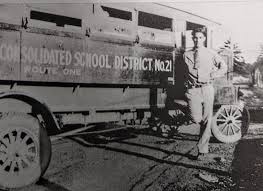
Charles Cutter and his brother John published the world-famous Cutter Guide before Charles heard of Hot Springs’s therapeutic waters and made the move from Missouri. In Mill Creek Valley he became an organizer and guide—urging neighbors to build a school and giving land so grateful families could name the district for him.
Morning Star took its name from the church nearby; legend holds that an all-night revival lasted until the morning star appeared at dawn. High Point, by contrast, was a modest one-room school without paint, a well, or outhouses—yet it mattered deeply to the families it served.
At a glance
CMS by the numbers
PK–12
610
13
Student experience
What students find at CMS
Academics
Rigorous coursework, caring instruction, and pathways that help students prepare for what comes next.
Athletics
Eagle teams and school spirit—schedules, highlights, and opportunities to represent CMS with pride.
Fine arts
Band, choir, and performance experiences that give students a creative outlet and a sense of belonging.
Pathways
Career and college connections, including opportunities through National Park College for eligible juniors and seniors.
Visit & contact
Come see CMS for yourself.
The best way to understand our district is to walk our halls, meet our people, and ask the questions that matter to your family. We welcome tours and conversations about School Choice, enrollment, and day-to-day life at CMS.
- 2800 Spring St, Hot Springs, AR 71901
- (501) 262-2414
Thinking about School Choice?
Our admissions team can explain the process, help you plan a visit, and connect you with the campus that fits your child’s grade level.